Why Storm Damage Isn’t Always Obvious
One of the biggest challenges after a storm is that roof damage doesn’t always announce itself right away. A roof can look fine from the ground while hidden problems develop underneath the surface.Common Types of Storm Damage
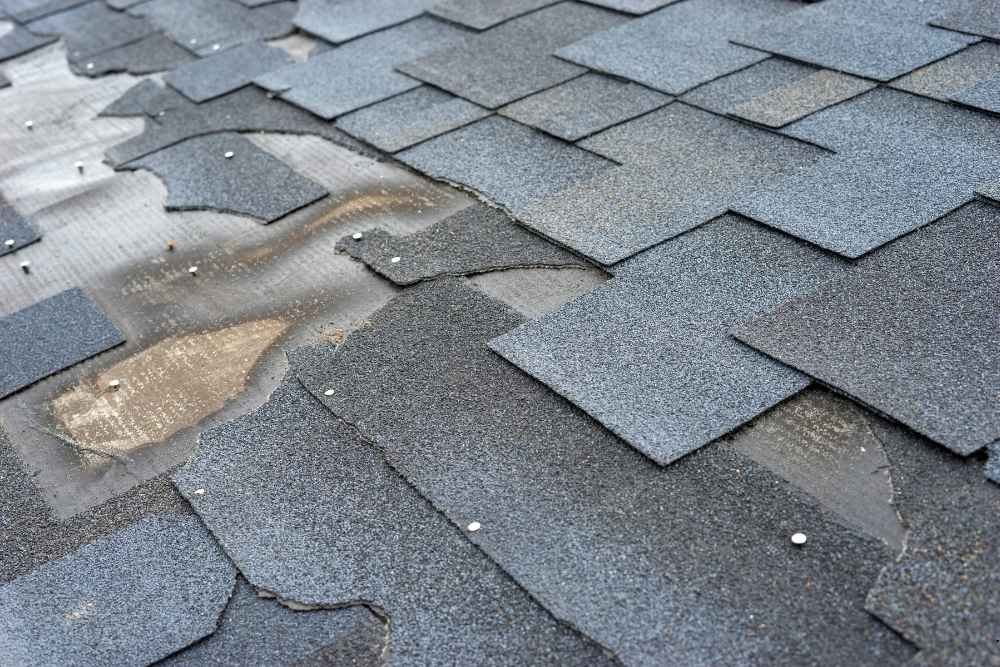
Storms can affect roofs in several ways:- Wind lifting or loosening shingles
- Hail bruising shingles and damaging protective granules
- Flying debris impacting flashing or vents
- Heavy rain exploiting small weak points
What to Do Right After a Storm
Taking the right steps soon after severe weather helps protect the home and reduces the risk of long-term issues.Start With a Visual Check
From the ground, homeowners should look for:- Missing or displaced shingles
- Debris on the roof or around the property
- Bent or damaged flashing
- Gutters pulling away from the roofline
Check the Interior of the Home
Inside, pay attention to:- Water stains on ceilings or walls
- Damp insulation in the attic
- Musty odors after rainfall
Why Delaying Storm Damage Repairs Can Be Risky
Storm damage tends to worsen over time. Small issues can quickly turn into widespread problems if moisture continues to enter the roofing system.Hidden Moisture Problems
Water that gets beneath shingles can damage decking, insulation, and framing. This type of damage often goes unnoticed until repairs become more extensive.Increased Wear From Charlotte’s Climate
Humidity and heat can accelerate deterioration after storm damage. What might seem minor at first can lead to recurring leaks or structural issues if ignored.Professional Inspections Make the Difference
A professional roof inspection is one of the most important steps after storm damage. A licensed roofer in Charlotte, NC knows where storm-related damage is most likely to occur and how to spot problems that homeowners might miss. Inspections typically focus on:- Shingle integrity
- Flashing and seal points
- Roof decking condition
- Ventilation and drainage
Storm Repair vs. Roof Replacement
Not all storm damage leads to roof replacement. The right solution depends on the roof’s condition before the storm and the extent of the damage.When Repairs Are Enough
Repairs may be appropriate when:- Damage is limited to specific areas
- The roof is relatively young
- Structural components are unaffected
When Replacement Is the Better Option
Replacement may be recommended if:- Damage is widespread across the roof
- Shingles have lost significant protective granules
- Decking or insulation has been compromised
- The roof has a history of previous storm-related repairs
How Proper Installation Helps Prevent Storm Damage
While no roof is storm-proof, proper installation plays a major role in how well a roof holds up during severe weather. Quality roof installation and repair focuses on:- Secure fastening methods
- Durable flashing details
- Proper ventilation and drainage
- Materials suited for Charlotte weather conditions